Energy Downtime Costs Hidden in AMR Fleet Sizing
 By Robin Pattinson · Aug 24, 2026 · 3 min read
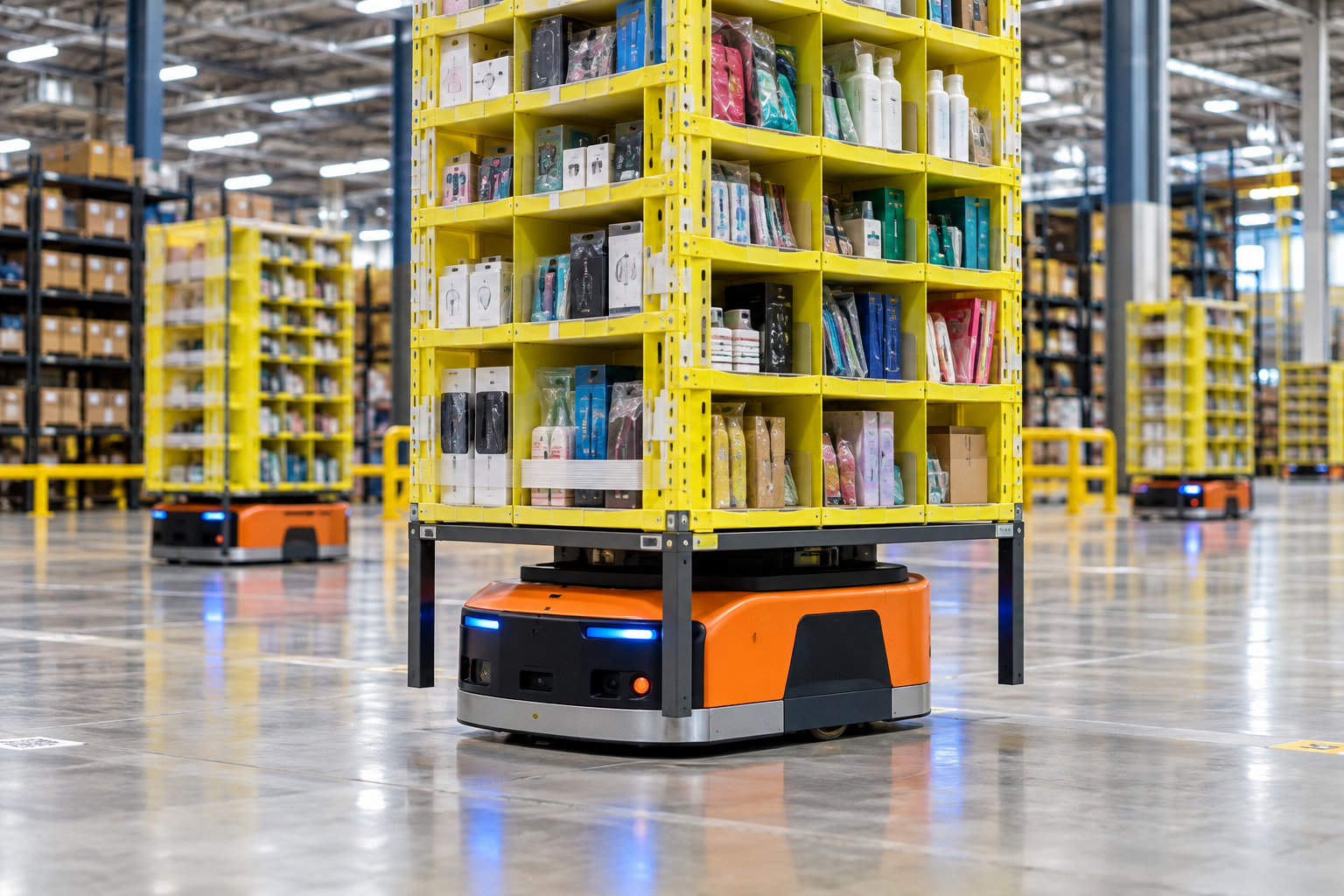
A warehouse robot leaves a picking aisle, navigates congested traffic to a charging station, waits in queue, recharges for 45 minutes, and returns to productive work. The sequence repeats across a hundred-robot fleet multiple times per shift. Fleet management software optimizes charger allocation and reduces wait times, but the core constraint remains unchanged - robots periodically stop productive work to refuel.
According to MarketsandMarkets, the global autonomous mobile robots market is projected to grow from USD 2.75 billion in 2026 to USD 7.07 billion by 2032, driven by warehouse automation demands. Yet charging inefficiencies consume 20-30% of total robot operational time, according to industry studies compiled by battery technology researchers, creating hidden costs that scale directly with fleet expansion. The Silicon Valley Robotics Center reports that median AMR fleet deployments have grown to 35 robots per facility in 2026, up from just 15 in 2024, amplifying the operational impact of energy downtime across larger installations.
According to a 2024 study published in the European Journal of Operational Research, battery management strategies including charging station allocation and queue optimization have become a significant research focus as autonomous mobile robot fleets scale across warehouse operations.
The operational question is not whether charging can be optimized. The question is whether charging should remain a separate activity at all.
Productive Pauses Already Exist in the Workflow
Prof. Mor Peretz, CEO and Co-Founder at CaPow, described how warehouse automation research often begins with a flawed premise. "Most optimization models begin with an identical assumption: robots will eventually leave productive work, travel to a charging station, recharge and then return to operation. From that point onward, the objective becomes minimizing waiting time, reducing congestion or improving charger utilization. From a systems engineering perspective, however, it may be worth stepping back. Every warehouse already contains moments during which robots naturally pause. They wait while inventory is loaded. They stop at picking stations. They queue before workstations. These pauses already exist because of the operational process itself. Should energy always require an additional trip? Or should it become part of the existing workflow?" Peretz stated in written responses to The Supply Chainer.
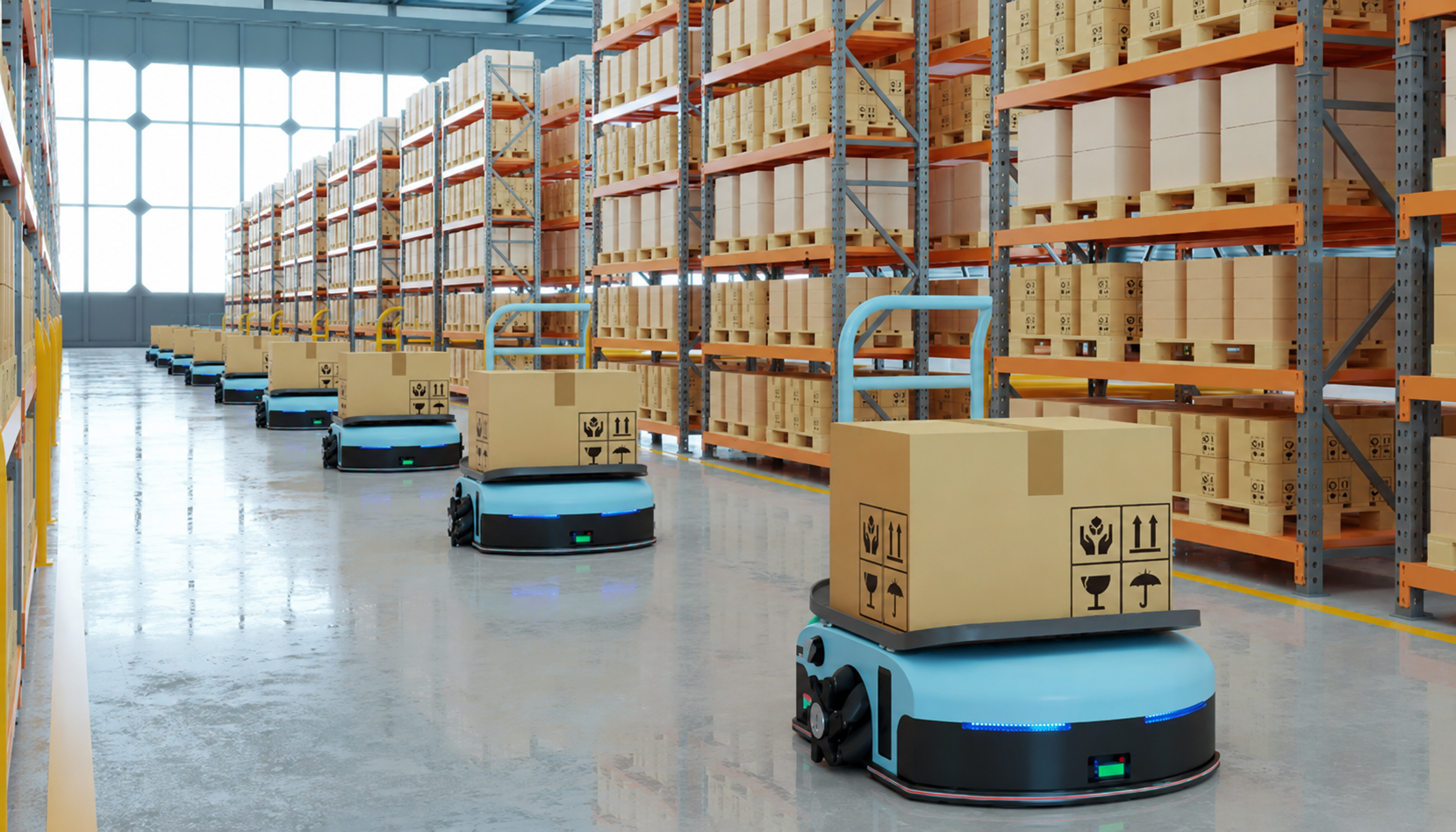
The distinction affects fleet economics directly. When a portion of installed robots are unavailable because they are traveling to chargers or recharging, warehouse operators must purchase additional units to maintain target throughput. The capital question becomes whether those additional robots expand capacity or simply recover capacity that already exists but remains temporarily inaccessible.
Operational data from multi-facility networks supports this view. Kevin Xu, VP of Strategic Initiatives at ShipMonk, a Florida-based third-party logistics provider, explained how client mix volatility and product category shifts create risk when automation assumptions prove brittle. "We de-risk in two ways: with more modular, less specialized automation, as well as with automation targeted towards product categories that solve unique challenges. This allows us to maximize the benefit of automation - less specialized means more volume - at a lower risk of client mix shift," Xu told The Supply Chainer previously.
Fleet sizing assumptions built around charging downtime carry similar fragility. If energy delivery moved into the productive workflow rather than interrupting it, the relationship between installed fleet size and available throughput would shift.
Infrastructure Follows Workflow, Not the Reverse
Peretz emphasized that energy infrastructure should emerge from operational analysis rather than dictate it. The company examines fleet log files, traffic patterns, and locations where robots naturally spend time before determining how energy should be delivered. The workflow defines the infrastructure, not the reverse.
This approach treats energy as a productivity enabler rather than a maintenance function. Throughout industrial history, infrastructure has gradually become less visible - factories are not designed around electrical outlets, and data centers are not organized around network switches. Warehouse energy systems may follow the same trajectory.
The next phase of warehouse automation will not be defined by faster chargers. It will be defined by how effectively energy integrates into the productive workflow without requiring robots to leave it.