One Warehouse to Many: What Changes as Robotics Scales
Warehouse operators spend extensive time ensuring their first robotics deployment succeeds. The initial site serves as the testing ground to integrate hardware with legacy software and validate the financial model. Yet when that pilot succeeds, distribution facilities face a distinct challenge. Operators must shift their focus from proving automation works locally to scaling it rapidly across a multi-site network. The transition requires turning early software integrations into permanent operational infrastructure.
The urgency to scale automation stems directly from persistent labor friction. The Bureau of Labor Statistics reports warehouse worker turnover remains high at 36 percent annually. Operators are forced to weigh predictable robotic throughput against the unpredictable expenses of forklift driver turnover, overtime premiums, and extended onboarding cycles.
Infrastructure speeds deployment
Scaling automation successfully demands strict attention to initial system protocols. Connecting robotic fulfillment systems to warehouse management software involves cybersecurity clearances, batch tracking compliance, and custom workflow design. When operators lock in these requirements at their primary facility, subsequent network deployments advance much faster.
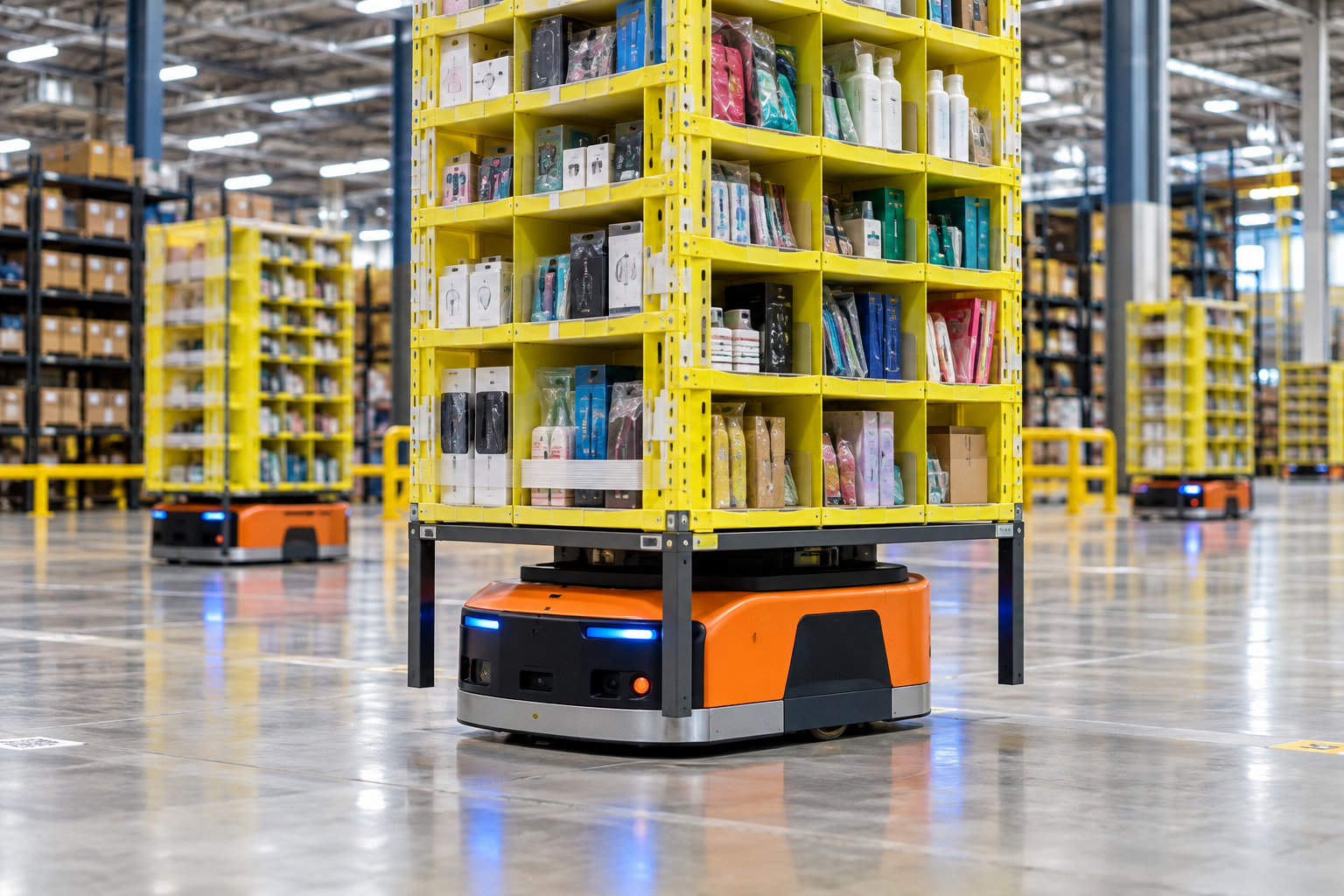
Jan Zizka, co-founder and CEO of Brightpick, a provider of mobile warehouse automation, noted that successful scaling relies on replicating core systems while adapting to localized facility demands.
"The lesson is that integrations, workflows and operating rules developed at the first site are reusable building blocks, not one-time project work that has to be repeated," Zizka replied in writing to Warehouse Insider.
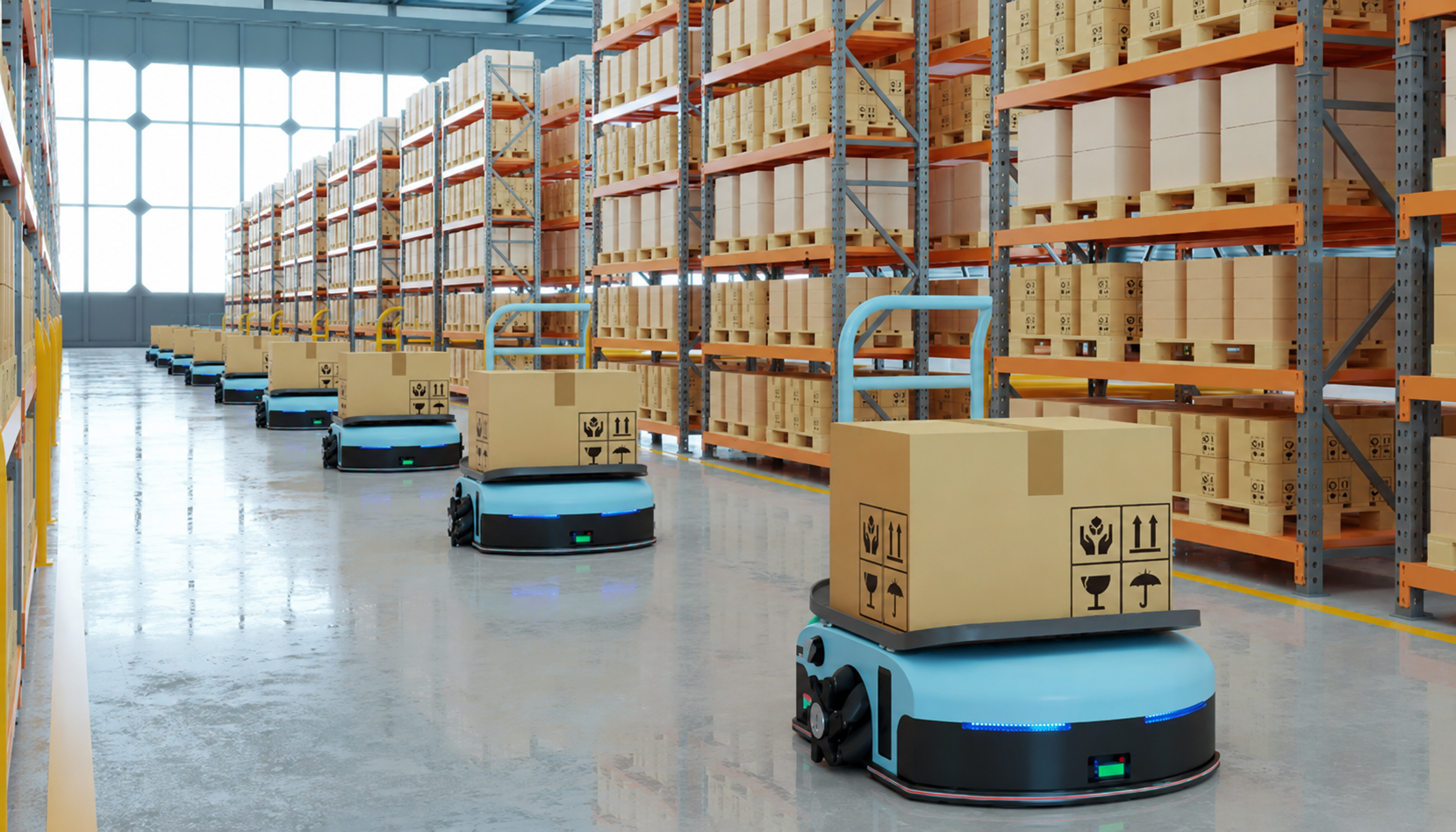
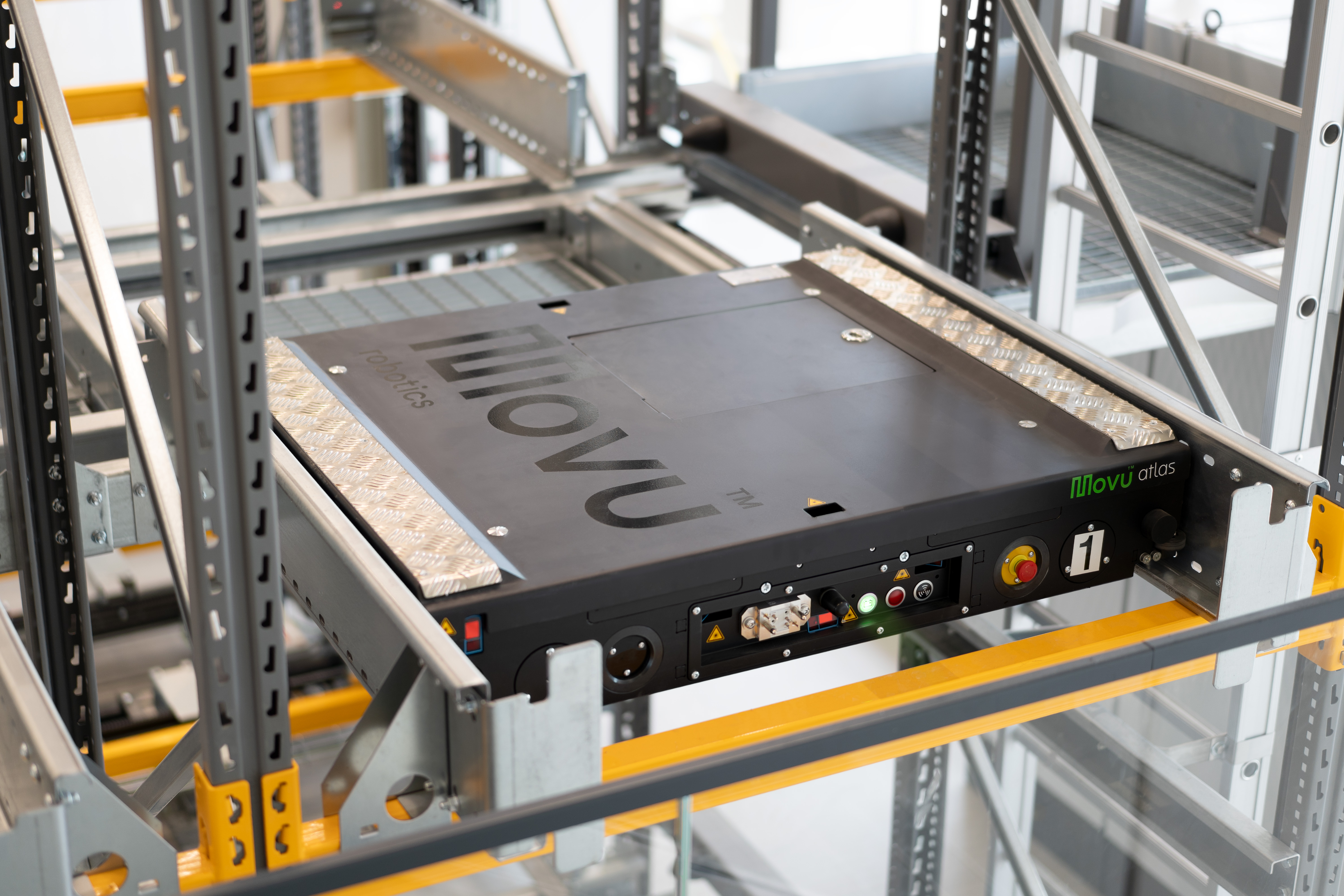
Zizka pointed to his company's work with European pharmacy chain Dr. Max Group. The retailer started with nine robots at a Prague distribution center in late 2023. The site expanded to 30 robots processing up to 20,000 items daily. This reduced manual picking labor by 95 percent and increased warehouse capacity by 40 percent. The operation is currently adding 44 robots across two additional facilities to create a 74-robot network.
Institutional knowledge anchors expansion
Technology is not the only element that scales across a fulfillment network. Institutional knowledge also transfers between facilities. Employees at new sites require training, but they can visit the original facility to learn directly from colleagues operating the automation daily. Instead of simply reading manuals on how robotic systems function, new operators observe how workflows fit together under pressure. They learn how exceptions are handled and how responsibilities shift once robots assume repetitive sorting and picking tasks.
Deciding which facilities receive automation next requires analyzing specific operational metrics rather than simply looking at square footage or headcount.
Navigating multi-site variables
Scaling automation does not mean creating identical warehouses. While foundational software models can be replicated, custom strategies remain necessary. A facility dedicated exclusively to ecommerce fulfillment requires vastly different workflows than a distribution center serving hospitals and pharmacies.
Kevin Xu, VP of Strategic Initiatives at ShipMonk, a third-party logistics provider, noted that deployment sequencing depends heavily on product mix and volume.
Xu has described the universal requirements of automation as scale and standardization, arguing that AI and robotics are advancing mainly by lowering the standardization constraint.
Operators planning multi-site rollouts must balance standardizing baseline processes to accelerate deployments with allowing necessary customizations at each new location. The resulting hybrid approach determines whether a robotic fleet functions as an isolated pilot or a networked competitive advantage.