Port-to-Warehouse Handoff Creates Invisible Penalty Zone
A container clears customs at the Port of Los Angeles on Monday morning. The warehouse receiving window 40 miles inland closes at 3 p.m. Wednesday. By Tuesday afternoon, chassis availability tightens, the drayage carrier misses the dispatch window, and the facility's dock schedule fills with higher-priority freight. The container sits. Detention fees begin accruing within 48 hours.
According to the Federal Maritime Commission, nine major ocean carriers collected $15.4 billion in detention and demurrage charges between April 2020 and March 2025, underscoring the financial scale of coordination failures between terminals and inland facilities. An FMC port congestion report linked chassis shortages alone to street-dwell delays and inefficient repositioning, estimating $348 million in annual drayage-delay costs. Industry data shows U.S. West Coast ports experienced 20-30% higher congestion in Q1 2025 compared to the same period in 2024, intensifying rather than easing the bottlenecks that trigger missed pickup windows and cascading penalties.
This coordination gap between terminal discharge and warehouse intake represents one of the costliest blind spots in import logistics. Traditional systems provide static appointment slots booked days in advance with minimal flexibility when variables shift. Spreadsheets lag reality by hours. Drayage dispatch remains isolated from warehouse labor planning. The result is a fragmented handoff where small delays compound into operational gridlock and avoidable financial penalties, even when the cargo itself arrived on schedule.
Integration Friction Between Terminal and Warehouse Systems
One of the primary challenges is integrating data between terminal operating systems, transportation platforms, and warehouse management systems, according to Yogesh Kumbhar at Stratos Automation, a logistics automation provider. Differences in data formats, APIs, system response times, and real-time visibility can make it difficult to maintain accurate container status and coordinate dock appointments, Kumbhar said in written responses to Warehouse Insider. A reliable integration layer, standardized data exchange, and real-time event-driven communication are important to ensure that all stakeholders are working from the same information. At Stratos Automation, the key is connecting systems and operational teams through accurate, timely data so that decisions can be made proactively rather than after a delay has already impacted the warehouse, Kumbhar added.
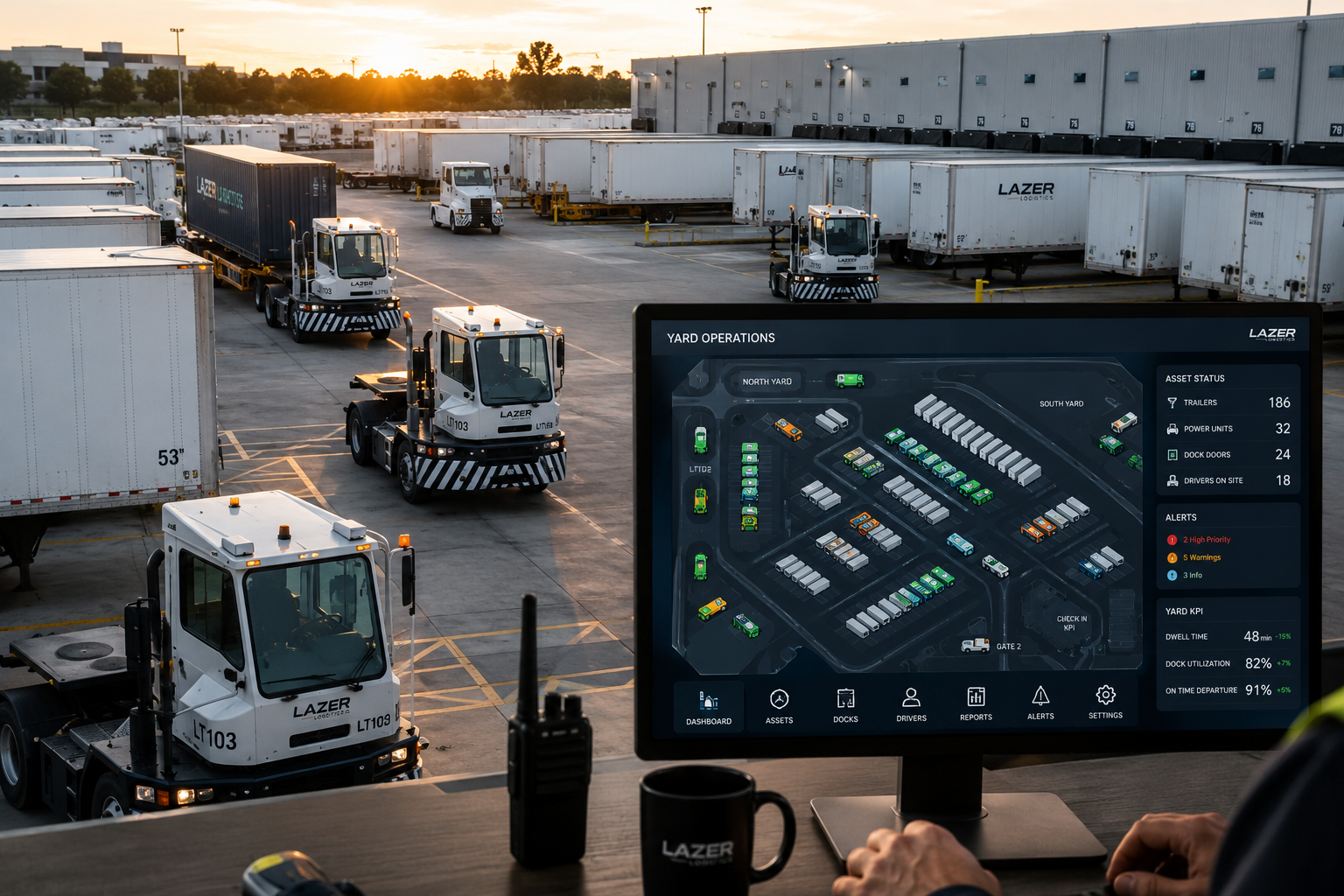
The operational advantage is speed. Instead of waiting 48 hours for warehouse availability and carrier confirmation, modern platforms compress that cycle by automating appointment requests, rerouting trucks in real time, and surfacing alternative receiving windows before fees begin accruing. According to the Federal Maritime Commission, U.S. importers paid an estimated $2.1 billion in detention and demurrage fees in 2024.
Planning for Variability Instead of Fixed Schedules
Operations should plan for variability rather than relying on fixed schedules, Kumbhar said. When port congestion or unexpected delays occur, real-time visibility into container status allows warehouses to dynamically adjust dock appointments, labor allocation, and receiving schedules. Automated alerts and exception-based workflows can help operations quickly re-sequence inbound loads and minimize dock-door underutilization while avoiding unnecessary labor and capacity costs.
Lucien Besse, COO and Co-Founder at Shippeo, a Paris-based real-time transportation visibility platform serving enterprise shippers and 3PLs across Europe and North America, explained the operational mechanics as previously told to Warehouse Insider. The port-to-warehouse coordination gap remains one of the most costly and least controlled areas of import logistics. When a receiving window is missed, teams relying on traditional TMS or Excel react too late, overpay avoidable fees, waste time on manual investigations, and often lose visibility into which container is actually causing the delay. A modern visibility and orchestration platform gives shippers immediate situational awareness - they see discharge status, track drayage in motion, receive predictive alerts on appointment conflicts, and can trigger rebooking workflows within hours, not days. That speed directly reduces demurrage, detention, and emergency drayage premiums while improving warehouse labor utilization, Besse added.
The distinction between visibility and orchestration is operational execution. Visibility tells logistics teams what happened. Orchestration enables them to intervene before the problem becomes a penalty.