Honeywell Completes Warehouse Solutions Sale to Sharpen Automation Focus
 By Warehouse Insider · Aug 3, 2026 · 2 min read
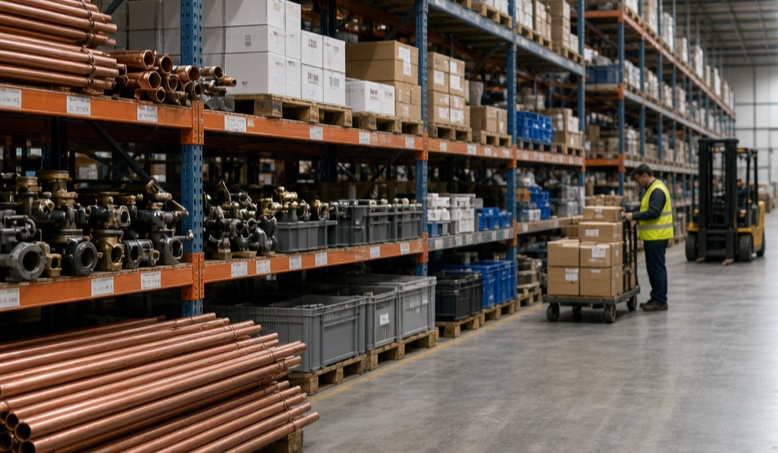
Honeywell Technologies has completed the all-cash sale of its Warehouse and Workflow Solutions business to American Industrial Partners. The unit, which operates under the Intelligrated and Transnorm brands, generated approximately $935 million in revenue in 2025 and employed more than 3,300 people.
The transaction forms part of a multi-year portfolio overhaul. Honeywell Technologies previously spun off its Advanced Materials business as Solstice Advanced Materials in October 2025 and its Aerospace Technologies unit as Honeywell Aerospace in June 2026. It also divested its Personal Protective Equipment business in 2025 and expects to close the sale of its Productivity Solutions and Services unit in early August 2026. Parallel to these exits, the company has completed roughly $11.5 billion in acquisitions since 2023 across process controls, industrial software, LNG technology and catalyst systems.

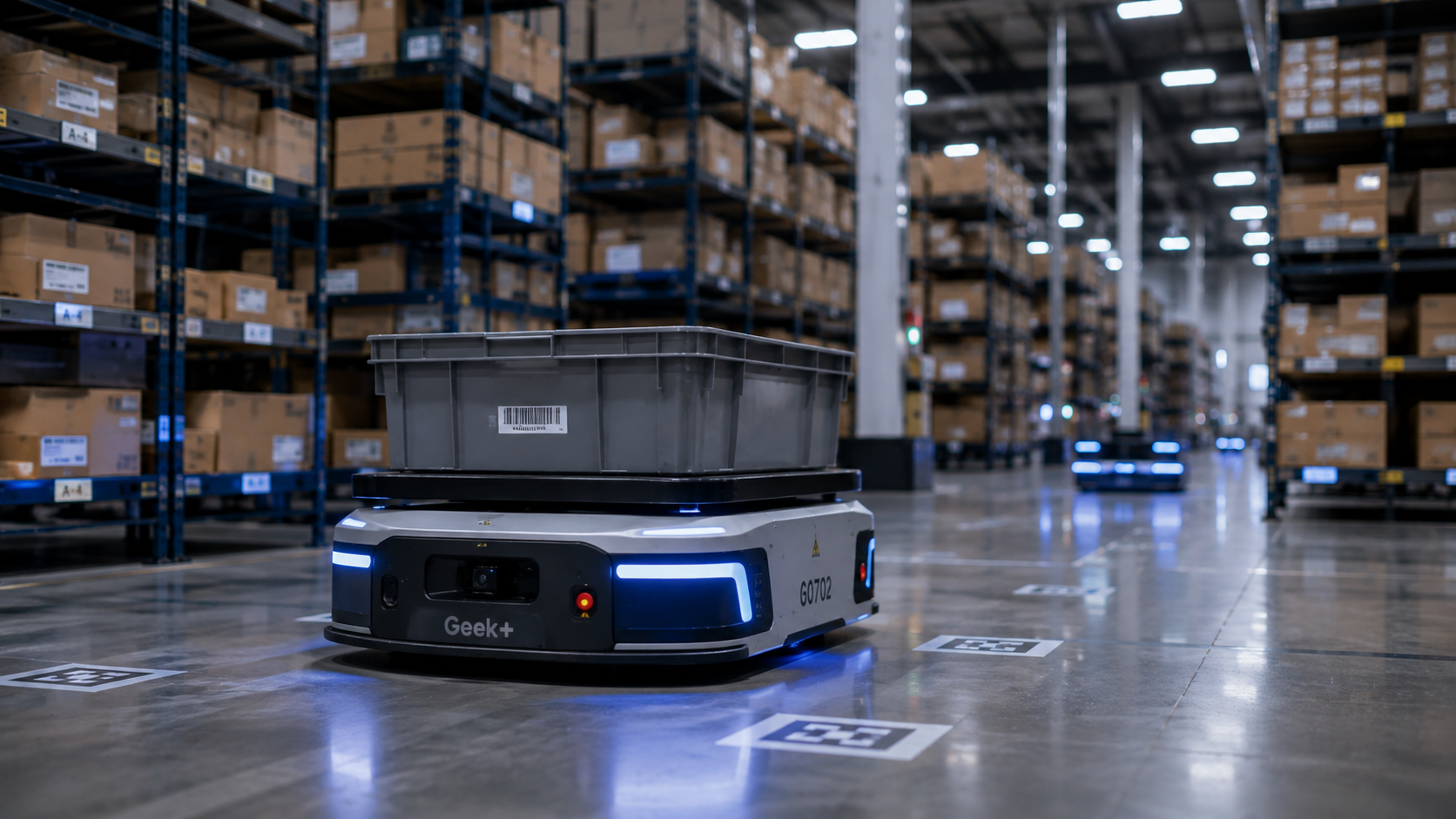
Chairman and CEO Vimal Kapur stated that the divestiture sharpens Honeywell Technologies as a pure-play automation company focused on building, industrial and process markets, positioning it to lead the sector’s shift from automation to autonomy.
The sale aligns with broader industry dynamics. The global industrial automation market is projected to expand from $210.68 billion in 2025 to $226.25 billion in 2026 and reach $302 billion by 2030 at a compound annual growth rate of about 7.5 percent. Industrial robotics alone is forecast to grow from $54.28 billion in 2026 to $94.38 billion by 2031 at an 11.7 percent CAGR, driven by labor shortages, reshoring and demand for higher autonomy in manufacturing and logistics.
By shedding warehouse-centric operations while retaining and expanding core automation capabilities, Honeywell Technologies is concentrating capital and management attention on higher-margin, software-augmented solutions. The move reduces exposure to project-heavy material-handling cycles and increases focus on recurring software, services and process technologies that benefit from the same secular forces of digitization and autonomy. Whether this pure-play strategy delivers superior long-term returns will depend on execution in integrating recent acquisitions and converting the large installed base into higher-value autonomous offerings.