The Automation Business Case Is Landing on the Freight Bill
Board cases for warehouse automation usually stop at labor inside the four walls. The cost that moves is often outside them. A partially automated building that creates a new bottleneck does not only idle pickers. It produces detention, missed pickups, redeliveries and expedited freight. Those charges rarely appear in the model sold upstairs. The pressure is not theoretical. A Descartes study of 1,000 supply chain and logistics decision-makers found that 76% reported notable workforce shortages, with warehouse operations among the hardest-hit functions.
The Freight Bill Was Not in the Model
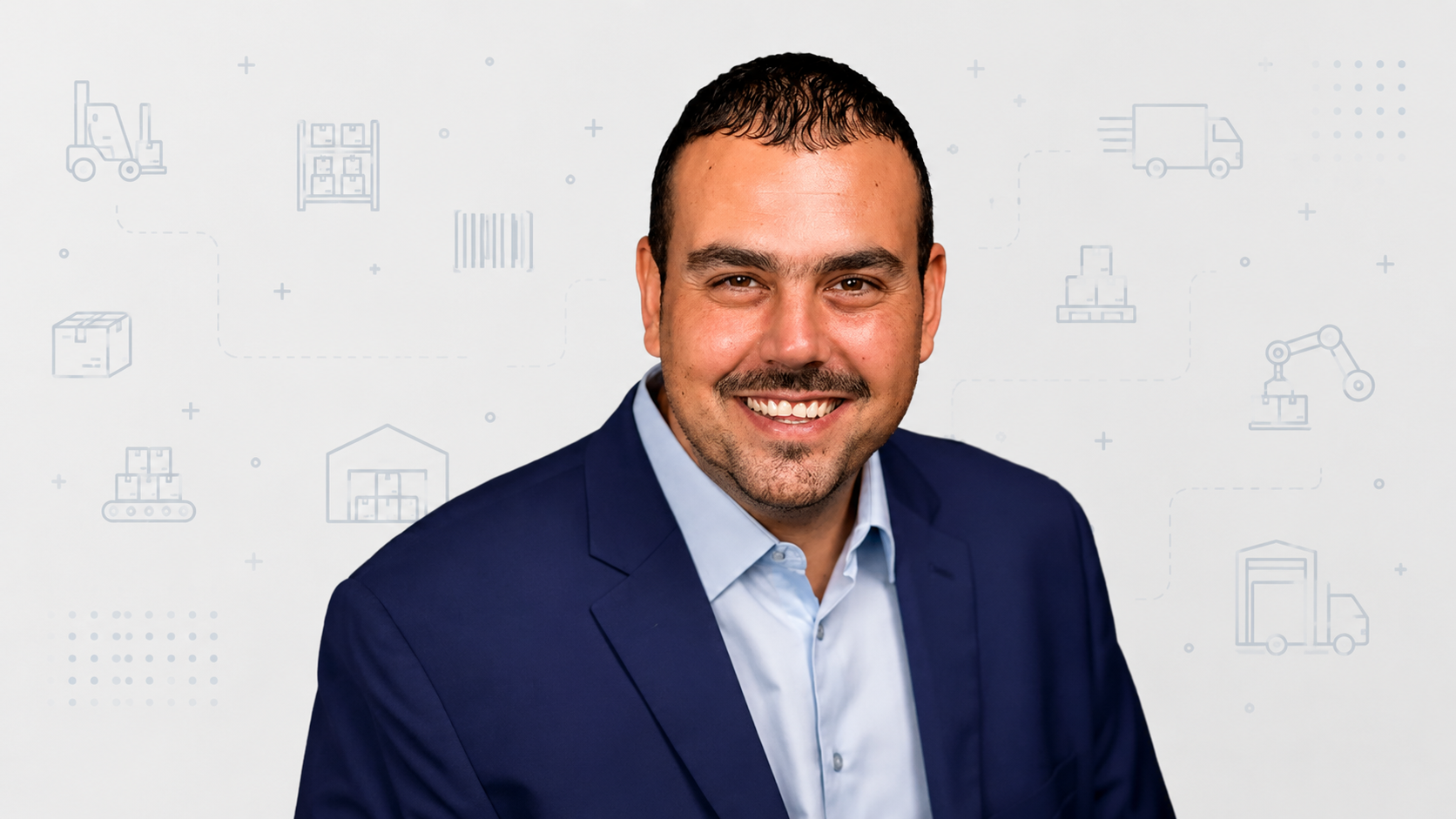
Marcus Houston, SVP of Customer Growth and Development at Transportation Insight, said the mismatch is measurable in the invoice file. "The board-level business case usually models labor savings inside the four walls. It rarely models what shows up on the freight bill when a partially automated operation creates new bottlenecks. Detention, missed pickups, redeliveries, additional-handling charges and expedited shipments all rise when product sits or gets touched twice. We audit billions of transactions per year, and about 2.6% of truckload and LTL invoices carry errors on their own. Once accessorial charges resulting from handling issues are factored in, cost per unit can drift significantly from the plan." Freight audit, in his view, is one of the faster checks on whether the automation spend is paying off. The robot can hit its pick rate and still lose the case on the accessorial line.
The Pilot Worked. The Match Did Not.
The same gap shows up in operator data, and it cuts both ways. Anthony Jordan, EVP and chief operations officer at GEODIS in the Americas, told Wearhouse Insider a labor-forecasting pilot dropped cost per unit from $0.56 to $0.52 at one site and from $1.03 to $0.88 at another, with labor cost down 11% while units shipped rose 15%. "That's what a well-executed business case delivers, labor matched precisely to volume. The gap opens when that match slips. Idle labor is structural, not a planning failure: warehouse hiring takes four to six weeks, so any volume swing faster than that leaves you either overstaffed and absorbing the cost, or understaffed and missing SLAs. Extra handling is the most measurable drag. Poor layout adds 30-40% to pick-and-pack travel distance." Partial automation, he said, underperforms when it is bolted onto a forecasting problem rather than an execution problem. The target state in the deck is not the state on the floor.
ROI Is Narrower Than the Pitch
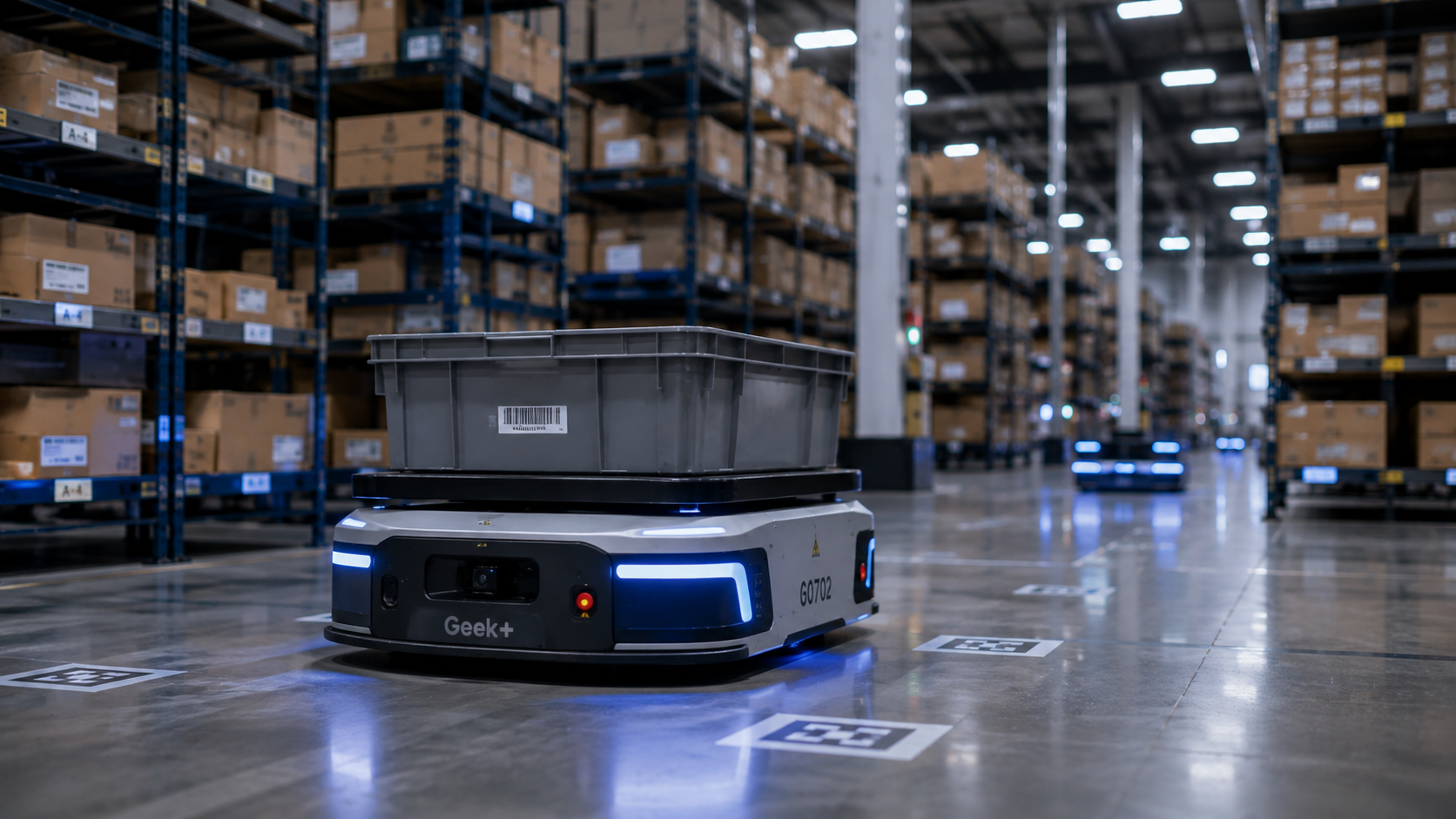
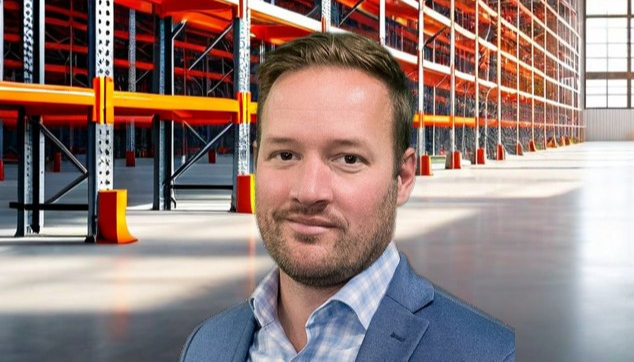
Where the return is showing up is narrower than the sales story. Andrew Scanlon, head of sales and marketing at Paxon, said physical AI and optimization AI are the layers with tangible warehouse ROI now. "We see this in our own set up, where robots are saving time and increasing accuracy during picking and packing, and are also optimising inventory management. SKUs are constantly being rotated and organised by robots, according to demand, so inventory is always perfectly positioned for quick picking. Optimization AI, like LLMs, are being applied to this process to better predict demand trends and sales surges." Generative AI and semi-autonomous agents, he said, are still a few years out in fulfillment. A Paxon survey of 2,000 UK shoppers found 62% had never used an AI product recommendation, which limits the demand signal those layers need.
Houston drew the same line on the transport side of the building. Optimization AI is returning money on load consolidation, mode choice and least-cost carrier logic because the data is structured. Generative tools help summarize exceptions. AI is oversold, he said, when it is cast as the decision-maker. An operator needs warehouse and transportation data in the same view - carrier cut-off and pickup times by lane, tender acceptance, dock status and cost to serve at SKU level - or the miss is visible only after the truck has left. The business case was a target state. Until labor, layout and the freight bill are in the same calculation, the unit cost upstairs and the unit cost on the dock will keep telling different stories.